
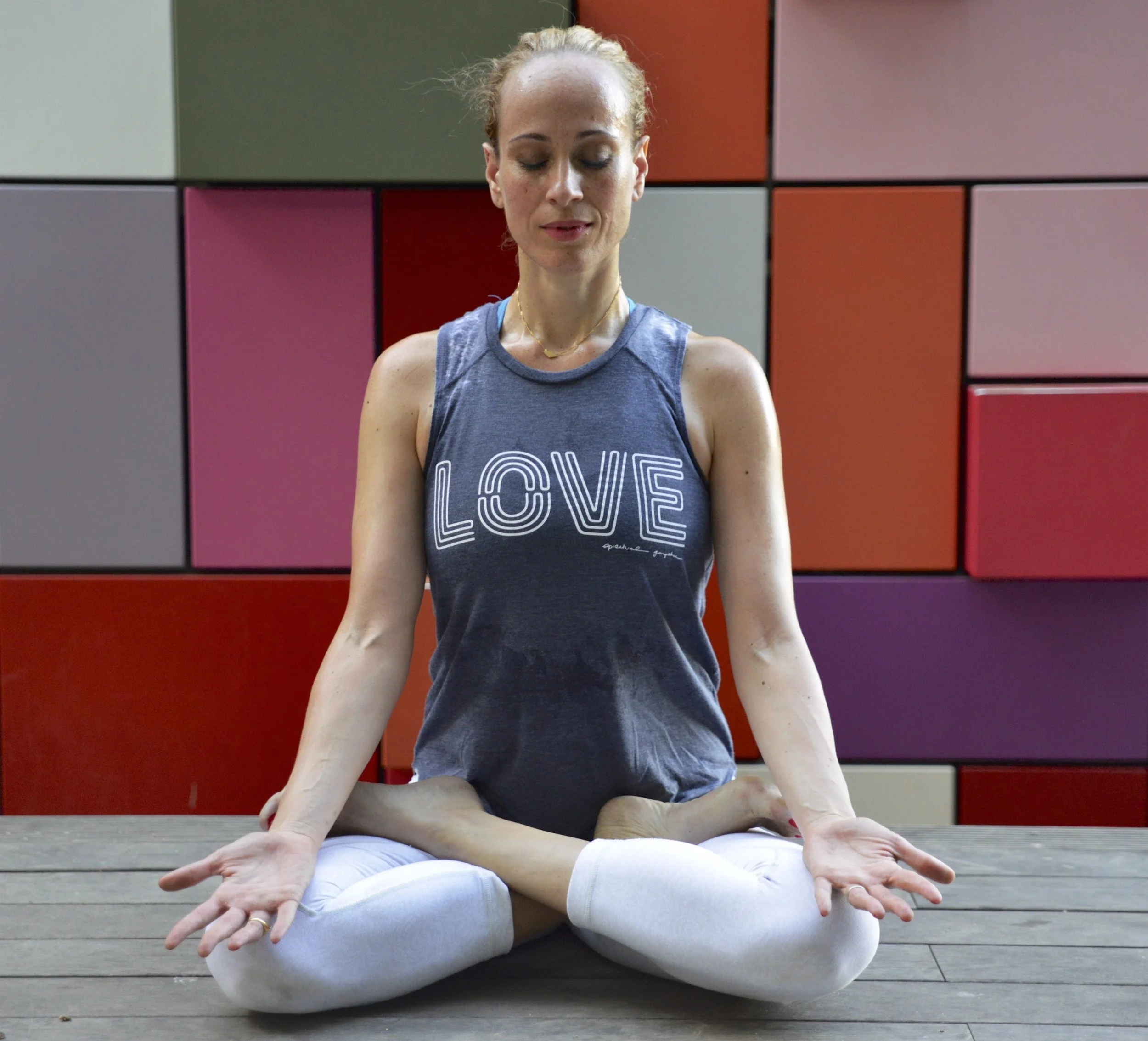
Trauma-Informed Yoga
Elizabeth believes deeply in yoga as a source of joy, healing, and connection. She has practiced for over 20 years and taught yoga since 2009, drawing inspiration from the Forrest Yoga system and the Ashtanga tradition, as well as from the everyday resilience of her students. She has taught in several yoga studios in Houston, Austin, and Pittsburgh, and has traveled to India to study yoga philosophy and study with revered teachers.
She has obtained specialized training in Trauma-Sensitive Yoga from the Trauma Center in Massachusetts, and her classes offer a warm, embodied, healing-centered approach that supports nervous system regulation. Elizabeth offers groups for chronic pain and health anxiety that integrate trauma-informed yoga, and provides consultation for therapists seeking to integrate yoga into their clinical work.
Alongside her work as a yoga instructor, Elizabeth is a licensed psychotherapist in private practice, specializing in the intersection of trauma, mood disorders, and relationships. She is passionate about helping people come home to themselves through movement, breath, or meaningful conversation.
How is Trauma-Informed Yoga Different from a Regular Yoga Class?
While any yoga class can be calming, trauma-informed yoga is intentionally structured with the nervous system in mind. A few key differences:
Choice and invitation. Language is offered rather than directive. Students are invited to explore what feels right in their own body rather than told to achieve a particular shape or pose.
No hands-on adjustments. Physical touch can be dysregulating for trauma survivors, so trauma-informed teachers rely on verbal cues and demonstration instead of hands-on correction.
Emphasis on interoception, not performance. The goal isn't a "correct" pose but building the capacity to notice internal sensation and reconnect with the body as a source of information rather than threat.
Predictability and safety cues. Trauma-informed classes tend to keep a consistent structure and give students an active sense of control over what happens next, including easy ways to opt out or modify at any time.
The teacher is trained to recognize dysregulation. Rather than just leading poses, the instructor is attentive to signs of a student becoming overwhelmed and can adjust pacing or offer grounding options in real time.
At its core, trauma-informed yoga ask what does this movement feel like, and what does my body need right now?"
Interested in Trauma-Informed Yoga Groups? Learn more.